Tech Roundup - July 26, 2026
Here’s your Sunday tech roundup for July 26, 2026:
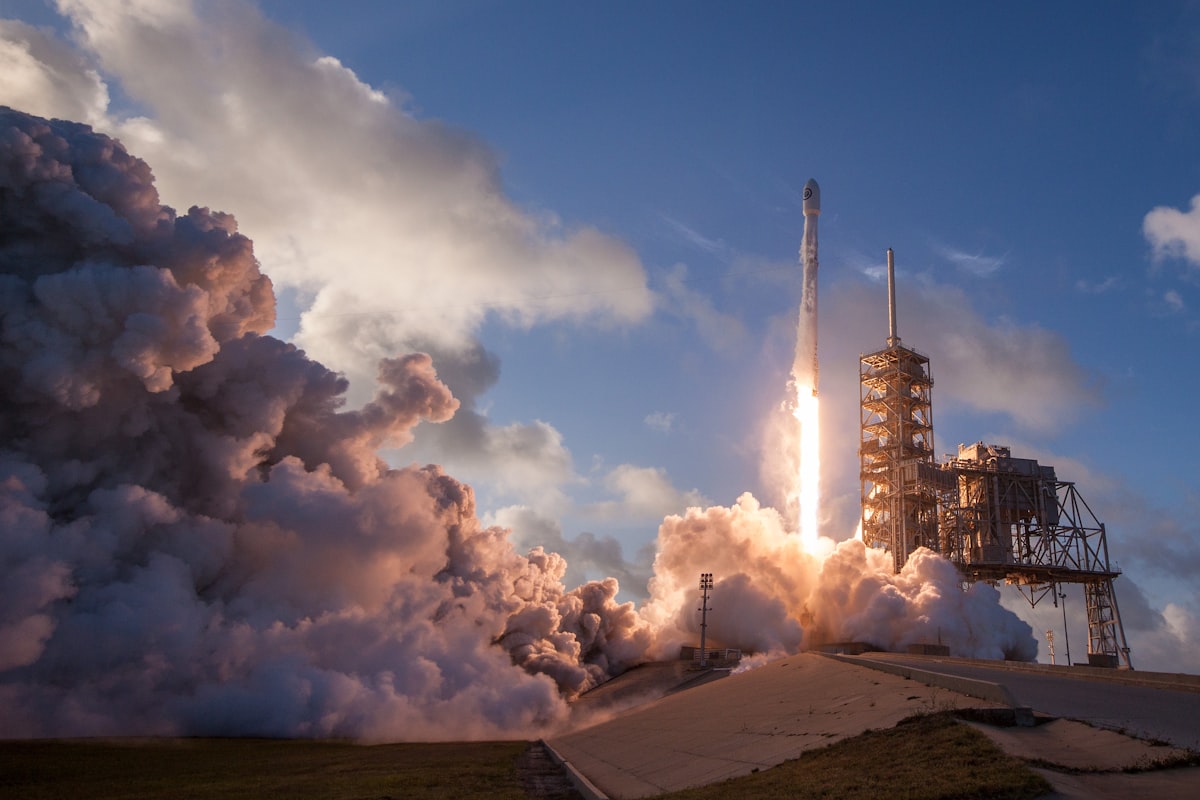
Space Tech
SpaceX Starship Achieves Historic Intact Splashdown SpaceX conducted its 13th Starship test flight on July 24, achieving a major milestone with the first intact splashdown of the vehicle in the Indian Ocean. The Starship V3 successfully deployed 20 Starlink V3 satellites and performed an in-space engine restart before gently tipping over and floating in the ocean west of Australia. This marks a critical step toward tower capture on the next flight and eventual orbital refueling demonstrations for NASA’s Artemis program.
NASA Deep Space Network Evacuated Due to Wildfire A fast-moving wildfire in Spain forced the evacuation of NASA’s Madrid Deep Space Communications Complex on July 24. The tracking station, part of the global Deep Space Network supporting over 40 missions including Artemis and Voyager, suspended operations as flames approached the facility. The DSN provides crucial communications coverage as Earth’s rotation brings spacecraft in and out of view.
NASA Programs Feel Workforce Reduction Impact More than two dozen major NASA projects report being affected by the loss of approximately 20% of the agency’s civil servant workforce over the past year. Programs including Orion, SLS, and DaVinci are experiencing delays and challenges as they adapt to reduced staffing levels.
China’s Long March 3B Survives Lightning Strike In a dramatic display of engineering resilience, a Chinese Long March 3B rocket was struck by lightning seconds after liftoff on July 23 but still successfully delivered its payload to orbit. The mission launched the Tianlian-2 06 data relay satellite from the Xichang Satellite Launch Center.
EU Restricts Satellite Imagery Over Iran War Region At the request of the United States, the European Union has implemented a 24-hour delay on releasing Copernicus Sentinel-1 and Sentinel-2 satellite imagery over the Gulf of Oman and Strait of Hormuz region. The restriction coincides with renewed US military operations in the area.

AI & Emerging Tech
Anthropic Launches Opus 5 Anthropic has rolled out Opus 5, the latest update to its flagship coding and software development model. While not a dramatic capability leap like Opus 4.5, the new version focuses on token efficiency and reduced restrictions compared to Fable, making it more accessible for a wider range of use cases.
Open-Weight AI Having Its “Kubernetes Moment” The open-weight AI ecosystem is experiencing explosive growth similar to Kubernetes in the container orchestration space. More organizations are deploying and fine-tuning open models locally, driving innovation in inference optimization and model serving infrastructure.
Prentis AI Lab Raises $100M Prentis, a new AI lab co-founded by LinkedIn’s Reid Hoffman and Zynga’s Mark Pincus, is reportedly raising $100 million. The neolab is betting that automating routine computer tasks will soon outpace coding as AI’s biggest use case.
Anduril Defense Tech Valued at $100 Billion Defense technology company Anduril is reportedly in talks to raise funding at a $100 billion valuation—more than triple its previous mark. Founded by Oculus creator Palmer Luckey, the company has become a major player in military AI and autonomous systems.
Meta Pauses Smart Glasses Rate-Limiting After Backlash Following significant public backlash, Meta has paused plans to charge a $20 monthly subscription for “Conversation Focus”—an accessibility feature for its Ray-Ban smart glasses that runs locally and doesn’t require cloud services. The company still plans to introduce subscription-based premium features but will keep the accessibility feature free for now.
IT & DevOps
Android May Restrict On-Device ADB Google is reportedly planning changes that would restrict on-device Android Debug Bridge (ADB) access, potentially affecting developers and power users who rely on local debugging capabilities. The move could impact automation workflows and development tools that depend on ADB connectivity.
PyTorch Monarch Comes to AMD GPUs AMD and PyTorch announced support for PyTorch Monarch on AMD GPUs, enabling single-controller distributed training on ROCm. This brings advanced model parallelism capabilities to AMD’s GPU ecosystem and provides more hardware options for AI training workloads.
AI Data Center Grid Vulnerabilities Exposed A recent incident where a single fallen power line nearly disrupted operations in Northern Virginia has highlighted growing vulnerabilities in AI data center infrastructure. The region’s massive concentration of AI computing facilities has created new challenges for electrical grid stability and disaster recovery planning.
Librarians Host “Avoiding AI” Workshops Libraries across the United States are seeing unprecedented demand for workshops teaching people how to avoid AI and Big Tech services. The viral workshops reflect growing public interest in digital privacy and alternatives to AI-powered platforms.
Bio-Tech
FDA Committee Approves Peptide Manufacture An FDA advisory committee organized by Health and Human Services Secretary Robert F. Kennedy Jr. has voted to recommend lifting restrictions on peptide manufacturing for human use. The decision comes despite limited human safety and efficacy data for the compounds, which have gained popularity in longevity and health optimization circles.
Varda Space Advances Orbital Pharmaceuticals Varda Space Industries continues development of its orbital pharmaceutical manufacturing capabilities. The company is working to leverage microgravity conditions in low Earth orbit to produce novel drug formulations that are difficult or impossible to create on Earth.
FinTech & Business
TechCrunch Disrupt 2026 Announces Smart Money Stage TechCrunch Disrupt 2026 will feature a new “Smart Money Stage” focused on fintech, payments, AI, and everything in between. The expansion reflects the growing convergence of financial technology with artificial intelligence and the broader tech ecosystem.
Memory Shortage Drives Hardware Price Increases Roku has raised streaming device prices by up to 60%, joining Apple, Nintendo, Microsoft, and others in hiking costs due to RAM supply constraints. The shortage, driven by explosive demand from AI data centers, is rippling through the consumer electronics industry.
Key Takeaway
This week highlights the dual nature of technological progress: SpaceX achieved a historic milestone with Starship’s first intact ocean landing, bringing us closer to reusable interplanetary transport, while the industry grapples with infrastructure challenges—from AI data centers straining electrical grids to memory shortages driving up consumer electronics prices. The tension between rapid AI advancement and growing concerns about its impact is also evident, with Meta retreating from controversial monetization plans and librarians teaching people how to opt out. As we push technological boundaries in space and AI, ensuring robust infrastructure and ethical deployment remains crucial.
Images courtesy of Unsplash. This post was auto-generated on July 26, 2026.