Tech Roundup - July 3, 2026
Here’s your Friday tech roundup for July 3, 2026:
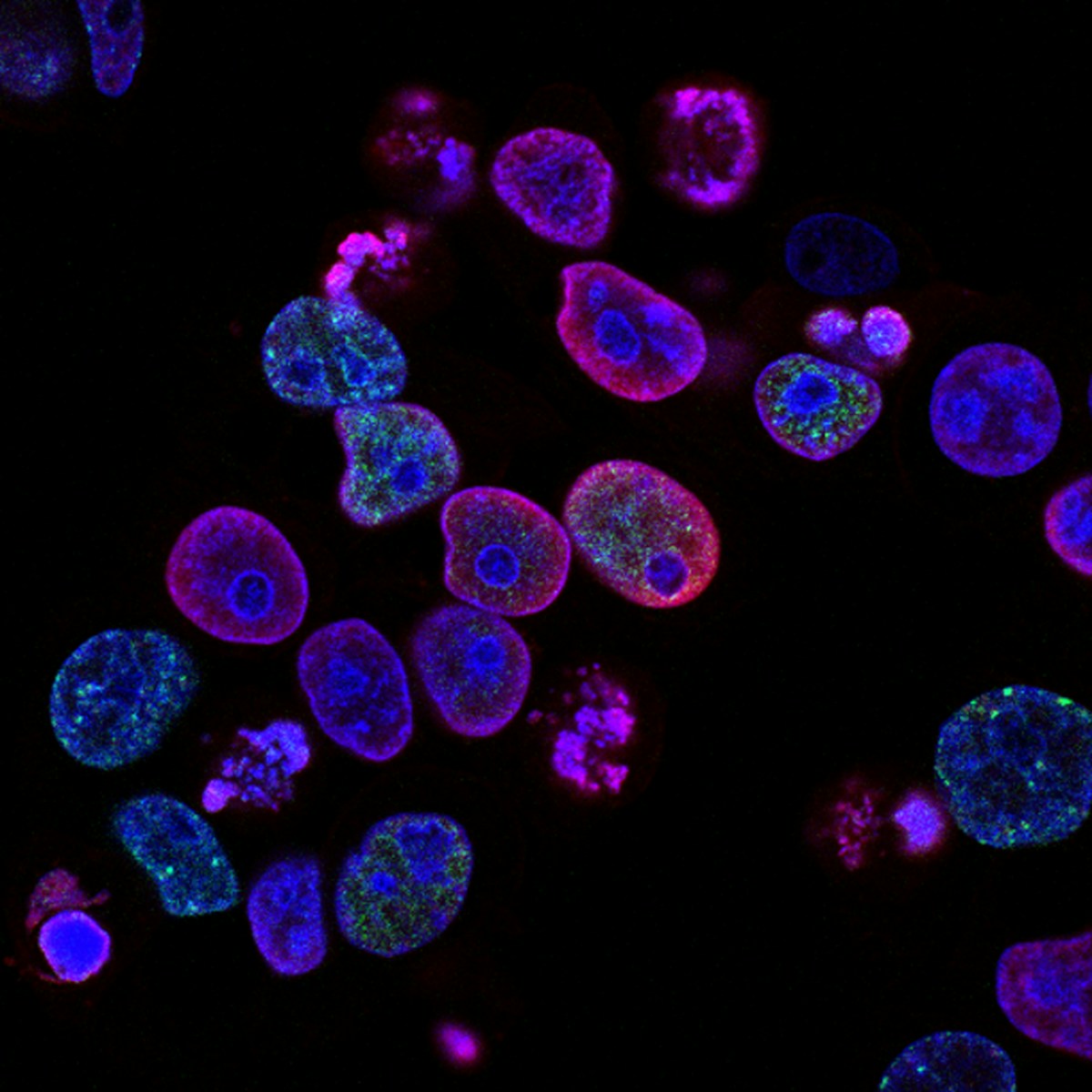
Photo by Unsplash - Molecular biotechnology visualization
Bio-Tech
-
Mystery of ‘Green Boots’ Climber Solved via DNA Test: The identity of the famous ‘Green Boots’ climber on Mount Everest has finally been solved after 25 years through DNA testing. This case highlights the power of genetic identification technology in forensic science.
-
Biotech Sector Booming at Mid-2026: According to STAT reports, biotech is experiencing significant growth halfway through 2026, with increased funding and new therapeutic breakthroughs in development.
-
Roche Drug Sets New Standard for KRAS-Driven Lung Cancer: Roche has achieved a breakthrough with a new drug setting the standard for treating KRAS-driven lung cancer, one of the most challenging mutation types to treat.
-
Artificial Cell Manages Cell Division: Researchers have created an artificial cell capable of multiple rounds of cell division, bringing us closer to creating synthetic life for medical and research applications.
Space Tech
-
NASA Chief Praises Blue Origin Progress: NASA Administrator Bill Nelson praised the progress Blue Origin is making following the recent New Glenn launch failure, indicating continued support for private space development despite setbacks.
-
Blue Origin Outlines New Launch Pad Approach: Following the launch failure, Blue Origin is revising its approach to launch pad operations as it works to return New Glenn to flight status.
-
Final Atlas 5 Amazon LEO Mission Launches: United Launch Alliance successfully launched the final Atlas 5 mission for Amazon’s Project Kuiper satellite constellation, marking the end of an era for the venerable rocket.
-
Isar Aerospace to Launch German-Built Planet Imaging Satellite: German launch provider Isar Aerospace is preparing to launch a domestically built Earth observation satellite, expanding Europe’s independent space capabilities.
-
Report Links Starliner Problems to Overconfidence: A new investigation attributes Boeing’s Starliner problems to overconfidence and unrealistic schedules, highlighting the challenges of human spaceflight development.

Photo by SpaceX on Unsplash - Space technology and exploration
IT & DevOps
-
Virginia Bans Sale of Geolocation Data: Virginia has passed legislation banning the sale of precise geolocation data, becoming one of the first states to take action on this privacy issue. This could set precedent for other states.
-
Google Loses Appeal of $4.7 Billion EU Fine: Google has lost its long-running appeal against a record European Union fine and will have to pay $4.7 billion, marking a significant moment in tech antitrust enforcement.
-
Google’s AI Buildout Drove 37% Electricity Increase: Google’s massive AI infrastructure expansion led to a 37% increase in electricity consumption in 2025, highlighting the energy demands of the AI revolution.
-
Podman v6.0.0 Released: The container management tool Podman has released version 6.0.0 with significant improvements for developers working with containerized applications.
-
Safari MCP Server for Web Developers: Apple introduced the Safari MCP (Model Context Protocol) server, enabling AI-powered debugging and development tools directly in the browser.
-
T-Mobile Moving VMs Off VMware: T-Mobile is migrating tens of thousands of virtual machines off VMware amid ongoing litigation, signaling broader enterprise shifts in virtualization strategies.
FinTech
-
OpenAI Proposes 5% US Sovereign Wealth Fund Stake: OpenAI has proposed donating 5% of its equity to a US sovereign wealth fund, far below Senator Bernie Sanders’ target of 20% but still a significant move toward public benefit.
-
Trump Gets OpenAI to Offer Lower US Stake: Reports indicate that the Trump administration negotiated OpenAI down from higher proposed stakes to the current 5% offer for the US government.
-
Travel App Hopper to Pay $35M FTC Settlement: Travel booking app Hopper will pay $35 million to settle FTC charges over hidden fees, marking increased regulatory scrutiny of fintech apps.
-
Microsoft Launches $2.5B AI Deployment Company: Microsoft has launched its own AI deployment company with a $2.5 billion commitment, further cementing its position in the enterprise AI market.
Emerging Tech
-
HKU Develops “Brain-Like” Chip for Quantum Computing: Hong Kong University engineers have created a world-first neuromorphic chip that could advance both quantum computing and deep-space exploration capabilities.
-
IQM Admits Quantum Future Uncertain: Europe’s first public quantum computing company, IQM, has acknowledged that the future of quantum technology remains uncertain despite recent advances.
-
Perovskite Solar Startup Shifts to Space Market: Verde Technologies, a perovskite solar panel startup, is pivoting from terrestrial to space applications, where the efficiency advantages of next-gen solar cells can be maximized.
-
US Home Battery Installations Hit Record High: Home battery installations reached an all-time high driven by rising electricity costs, signaling mainstream adoption of distributed energy storage.
-
Superworms for Forensic Science: Researchers have found that superworms could replace beetles for cleaning skeletal remains in forensic investigations, offering a faster alternative for law enforcement.
Key Takeaway
This week highlights three critical developments: state governments are taking the lead on tech regulation with Virginia’s geolocation ban and the massive Google fine standing firm; the AI infrastructure boom is creating measurable environmental impact with Google’s 37% electricity jump; and space development continues despite setbacks, with both public and private sectors showing resilience after failures. The convergence of AI, energy, and space technologies is accelerating faster than regulation can adapt.
Stay curious, stay informed.